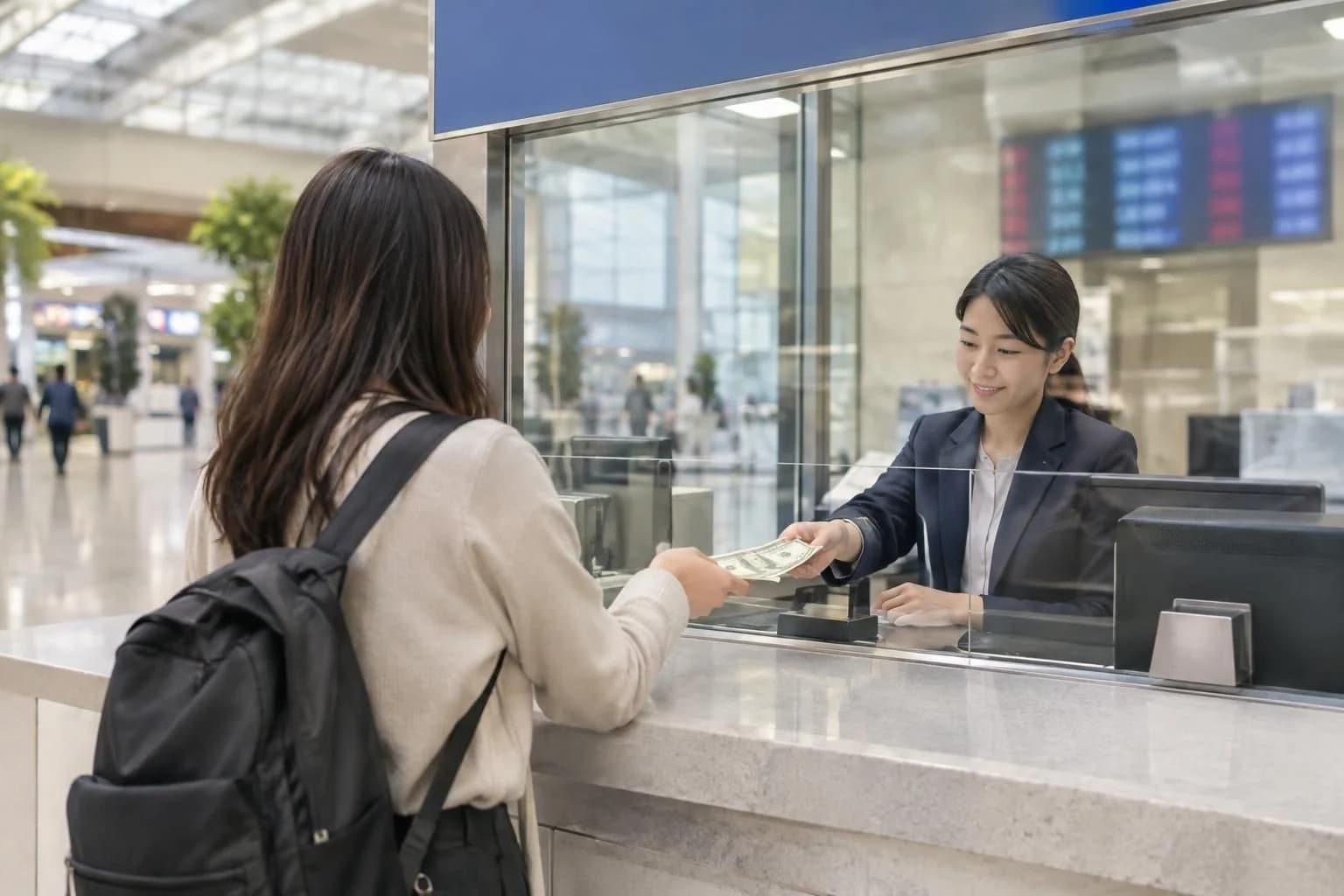
The won ended this week slightly stronger against the U.S. dollar. Korea Money Brokerage (KMB) published a dollar market average rate of KRW 1,330.8 per USD 1 for Friday, November 20, 2026. A week earlier, on Friday, November 13, the rate was KRW 1,332.4. Fewer won per dollar means a stronger won, so anyone spending dollars in Korea gets a little less. At the benchmark rate, before any fees, USD 100 now converts to about KRW 160 less than a week ago. Korean FX markets do not set a new benchmark on weekends, so the November 20 figure is still the latest one as of Sunday, November 22. The next figure comes on Monday, November 23.
The week in numbers
The rate moved within a narrow range this week. It rose to a weekly high of KRW 1,338.8 on Wednesday, then fell back over the last two days. The bigger move happened the week before. On November 9 the benchmark was KRW 1,357.9, and by November 20 it was KRW 27.1 lower. The figures below come from KMB's daily exchange rate table, which lists a "transaction standard rate" for each business day. The November 20 figure comes from the market average rate on KMB's arbitrated exchange rate page, which had not yet been added to the daily table when we checked on November 22. Neither page shows a publication time.
| Date (2026) | KRW per USD 1 | USD 100 at the benchmark (KRW) |
|---|---|---|
| Nov 6 (Fri) | 1,342.0 | 134,200 |
| Nov 9 (Mon) | 1,357.9 | 135,790 |
| Nov 13 (Fri) | 1,332.4 | 133,240 |
| Nov 16 (Mon) | 1,333.7 | 133,370 |
| Nov 17 (Tue) | 1,335.0 | 133,500 |
| Nov 18 (Wed) | 1,338.8 | 133,880 |
| Nov 19 (Thu) | 1,331.1 | 133,110 |
| Nov 20 (Fri) | 1,330.8 | 133,080 |
In practice, a USD 100 budget converts to KRW 133,080 at the November 20 benchmark. That is KRW 160 less than on November 13 and KRW 2,710 less than at the November 9 high. These are reference conversions, not quotes you are guaranteed to get. The amount you actually receive depends on the channel you use.
The same KMB page also lists November 20 rates for other currencies. The euro was KRW 1,459.62 per EUR 1, and the yen was KRW 833.73 per JPY 100. That page shows only one date at a time, so we have not given week-on-week changes for those two currencies.
Which rate you actually get
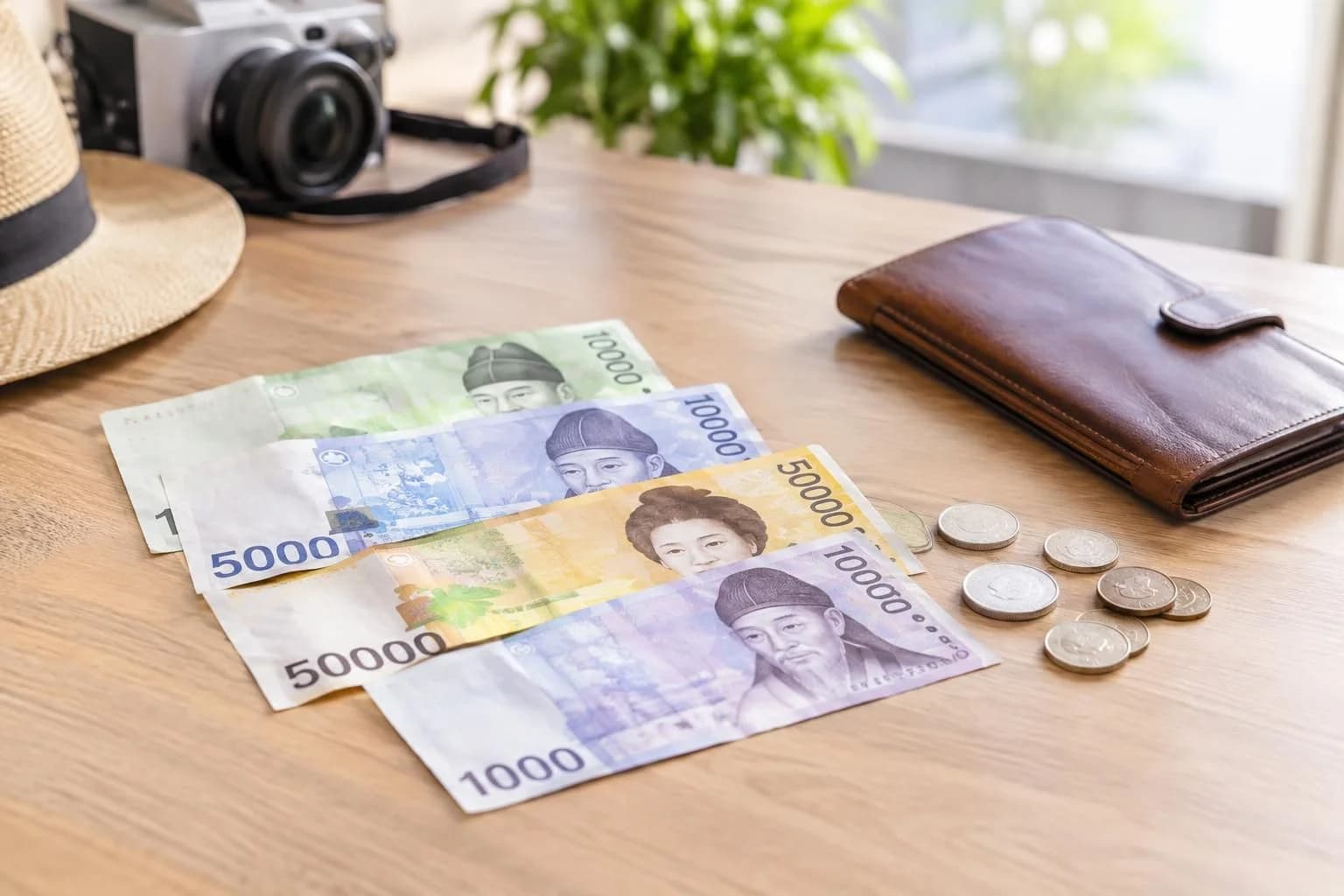
The benchmark is the middle point that banks build their own prices around. Banks post separate rates for cash and for transfers. When you hand over dollar bills to get won, the bank uses its rate for buying cash from you, which is lower than the benchmark. Before you exchange, check the posted board or ask for that specific rate. Card payments and ATM withdrawals are converted by your card issuer or network at its own rate, and your home bank may add its own fees on top.
| Channel | What decides your won amount | What to do |
|---|---|---|
| Bank counter (cash) | The bank's posted rate for buying cash from you | Go during banking hours, which are mostly 09:00–16:00 |
| Certified exchange booth | The booth's own posted rate | Look for a "Certified" sign with currency symbols. Avoid booths without one |
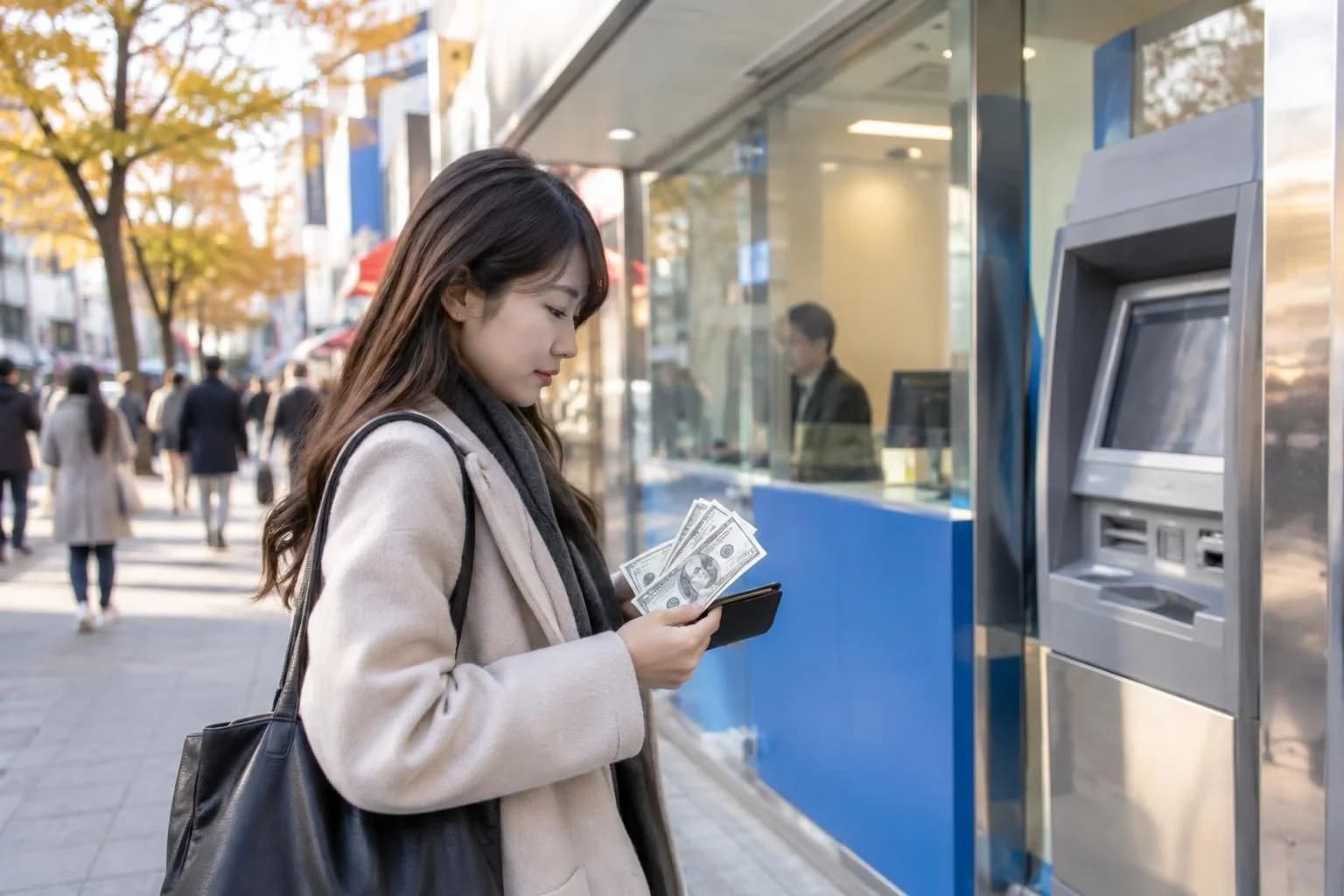
| ATM withdrawal | Your card issuer's rate, plus any fees from the ATM operator and your home bank | Use machines marked "Global." ATMs in convenience stores often charge more |
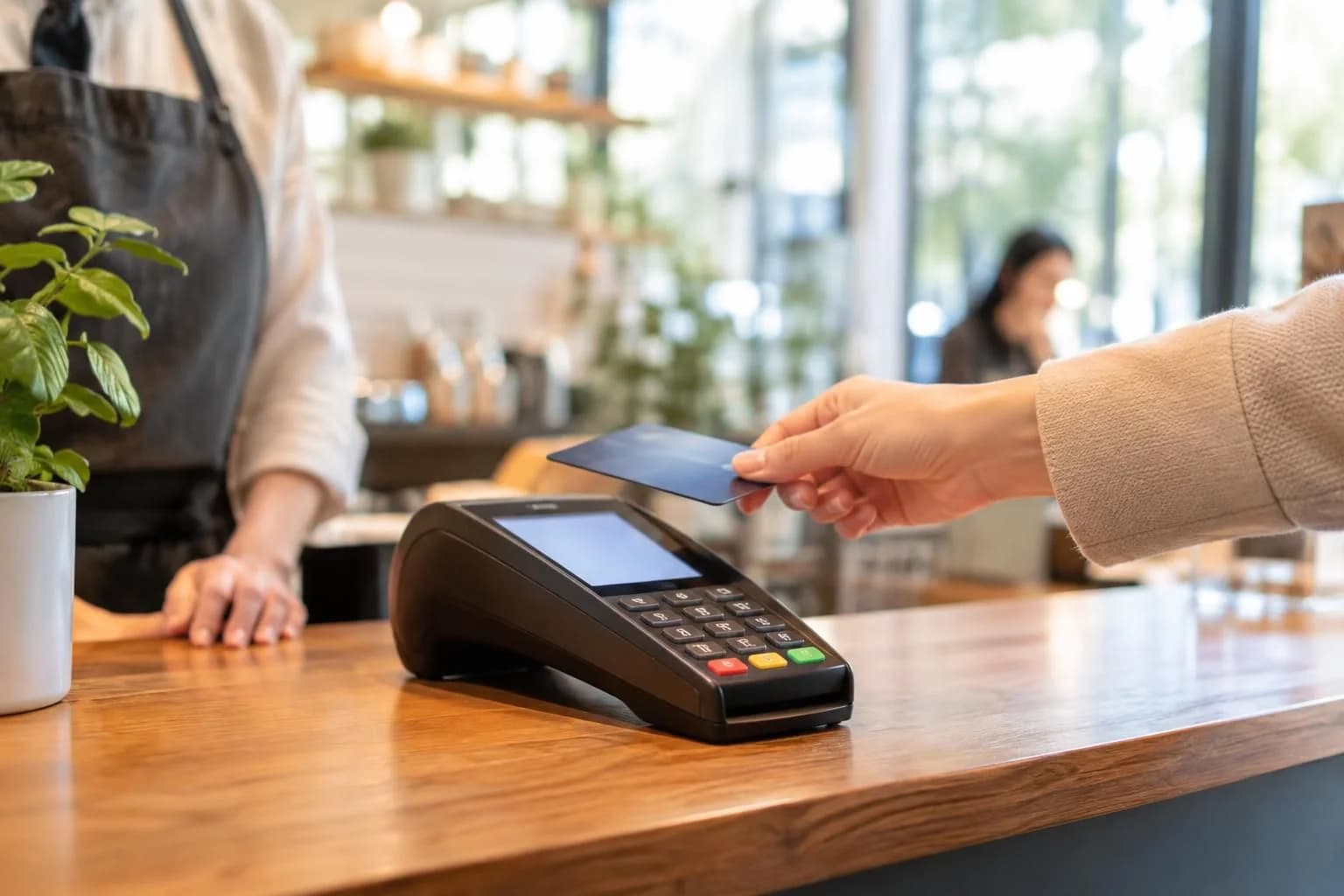
| Card payment | Your card issuer's or network's conversion, plus any foreign-transaction fee | If the terminal asks, choose to pay in won so your own issuer handles the conversion |
The channel details come from Visit Seoul's official money guide. It says banks usually give travelers the best exchange rates, and that most banks open from 09:00 to 16:00, though hours vary. ATMs typically run until 23:00, and many are open 24 hours. Most offer English, Chinese and Japanese menus. Government-certified booths exchange money outside banking hours and are usually found in areas popular with international visitors.
What to do this week
Use KRW 1,330.8 per dollar as a rough planning figure, not as the amount you will receive. If you are carrying dollar bills, compare the cash-buying rates posted at a bank and at a certified booth on the day, and change only what you need for the next few days. If you mostly pay by card, check your issuer's foreign-transaction fee and ATM fees before you leave home. Those fees can matter more to your budget than a weekly move of KRW 1.6 in the benchmark. The rate will update on Monday, November 23, and it rose and fell by several won a day this month, so check it again before you exchange large amounts.